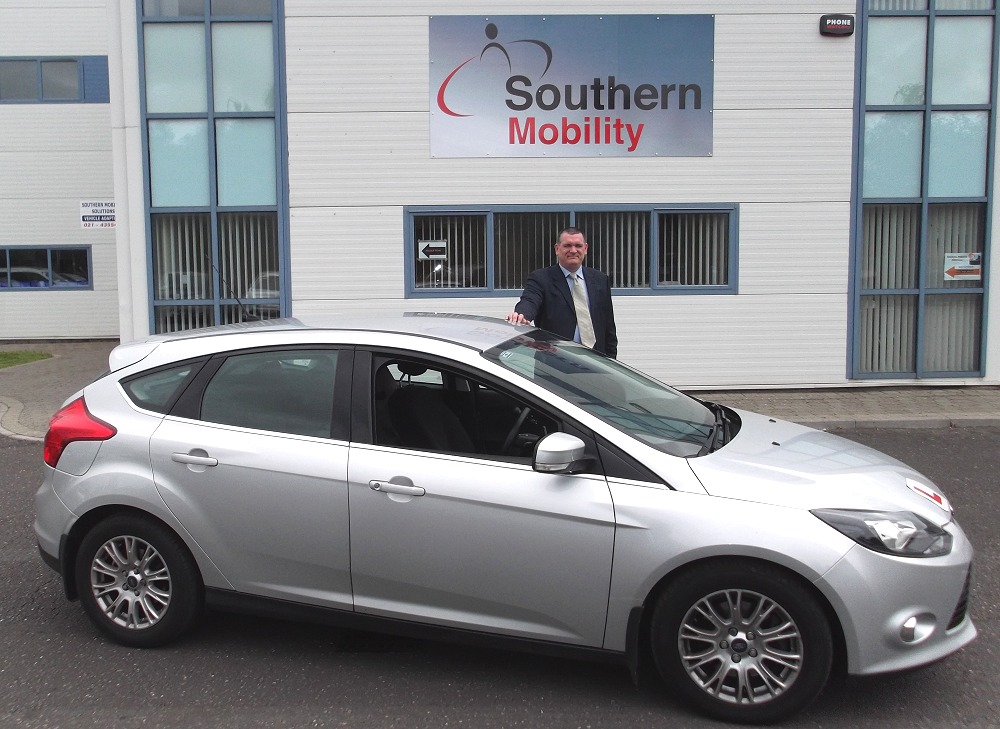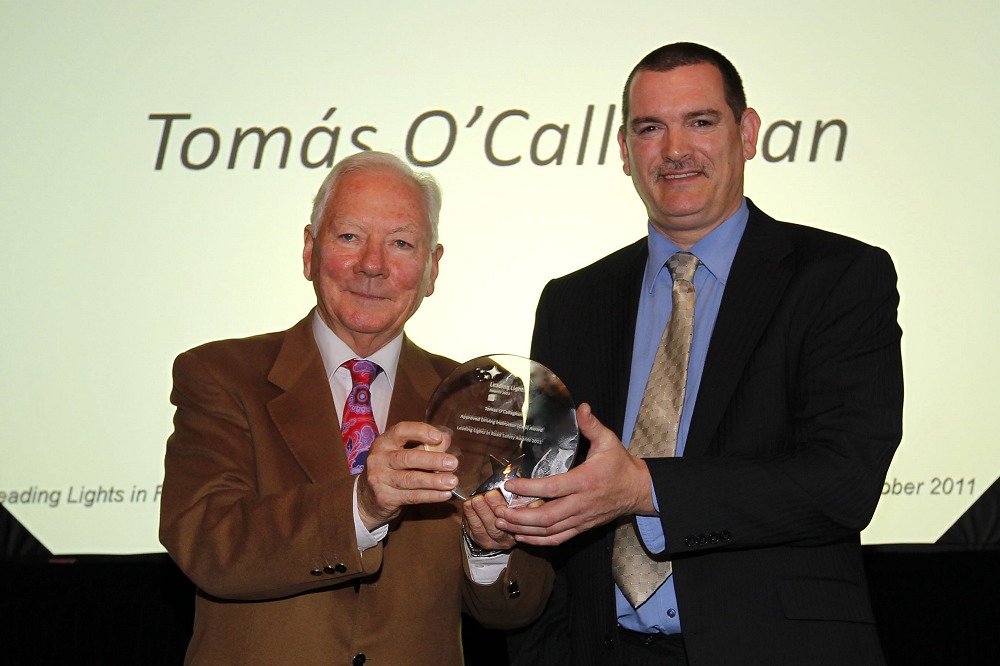
Southern Mobility Logo standing by a car driving on the road happy driver
home about contact

Driving after a Brain Injury

Brain injuries have many causes including; stroke, accident, tumour, viral infections, etc. Returning or beginning to drive following a brain injury improves a persons mobility, confidence, and independence; thereby contributing to an improved quality of life and having numerous positive benefits.

However, driving is a complex task requiring visual, perceptual, cognitive, physical and psychological interaction. Many deficits common to brain injuries affect a person's ability to drive safely. Some people have an unrealistic understanding of the effects of their injury and may not realise the extent of their deficits.

To maximise independence and minimise risk, before returning to driving one should firstly allow sufficient time to recover. This recovery time will vary from person to person. Consult your general practitioner, medical consultant or occupational therapist for advice on this. Having allowed the necessary recovery time a multi tiered assessment procedure consisting of physical mobility, medication review, vision, cognitive/ perceptual screening and an on-road driving ability assessment is the most comprehensive method of assessment. This on-road evaluation provides necessary information to decide on ones cognitive functioning in relation to driving and thereby contributing to road safety in general.

For more information see Assessments >>

On completion of an assessment, a driving rehabilitation course may be recommended to practice driving using adaptations to achieve a competent, confident driving standard. Occasionally a driving rehabilitation course may be recommended to provide one the opportunity to relearn or correct any evident cognitive / perceptual difficulties.

Learning to drive with a Brain Injury without previous experience

For anyone with a brain injury learning to drive for the first time the above multi tiered procedure is followed. However, instead of an on road evaluation, due to little or no previous driving experience, a specialist supervised driving course is necessary. This driving course provides special attention to the learning process and ascertains if one’s difficulties affect their ability to learn and drive safely.

..............................................................................................................................

Driver Rehabilitation Courses.

These courses are for those wishing to return/continue driving following an illness/disability and wish to learn a new driving technique using adaptive driving equipment and /or automatic transmission. The courses are also suitable for anyone who wishes to ascertain their ability to overcome any evident cognitive difficulties, and achieve a confident competent driving standard. This course is also beneficial for anyone keen to return driving and restore confidence following a road traffic accident.

For more information see Driving courses >>


Copyright © 2008 Southern Mobility. All rights reserved. Website by ABU